The Jungle Keeps Its Own Records: An American Bomber, a Papuan Village, and the Long Afterlife of World War II
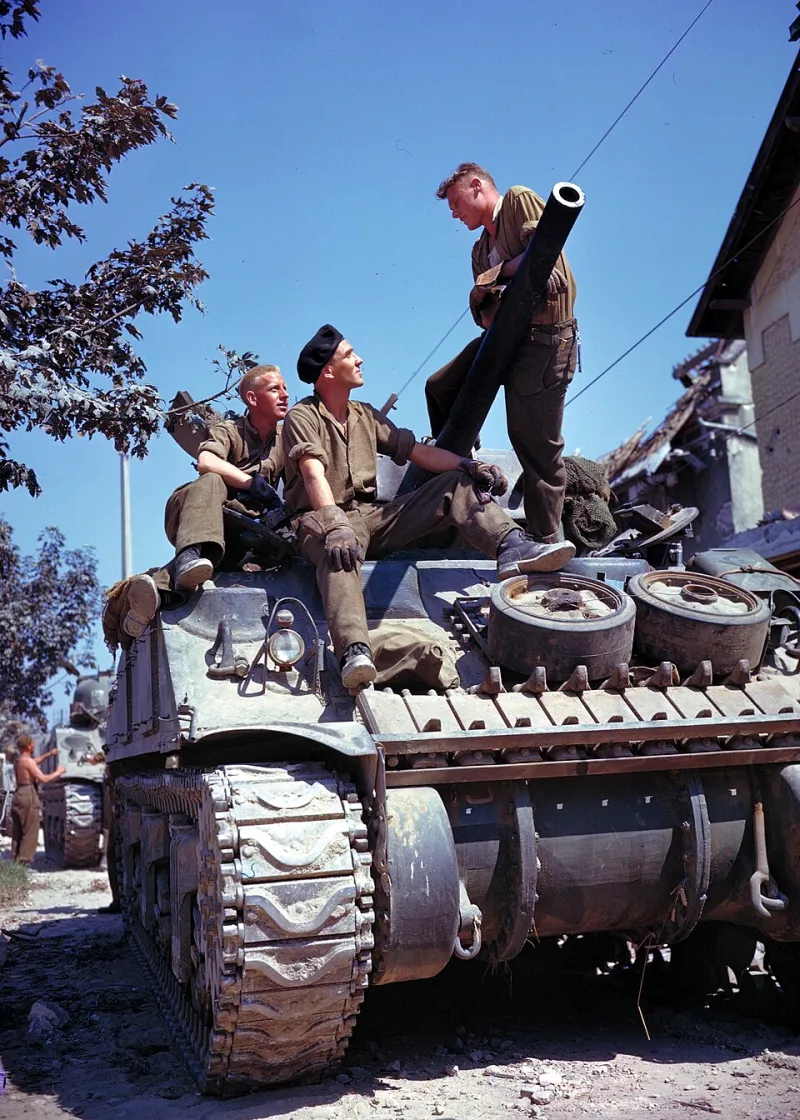
Photo: Unknown authorUnknown author, Public domain, via Wikimedia Commons
On a ridge in Indonesian Papua, the story begins with a sound. It is a sound the village remembers in different ways: a drone, a stutter, a roar that broke the ordinary noise of wind and insects. Then comes the smoke, the falling metal, the parachutes. The details shift with each telling. What remains constant is the wreck, and the sense that history once fell out of the sky and never entirely left.
This is not one isolated tale. During World War II, the Allied sweep across New Guinea turned Papua into a corridor of airstrips, supply lines, and sudden violence. American bombers flew missions against Japanese positions from bases such as Hollandia, now Jayapura, and Biak. Some planes came back. Some did not. In the mountains and lowland forests, dozens of crash sites became part of the local landscape—places with names, stories, and sometimes bones.
The war above the canopy
At the time, Papua was part of the Dutch East Indies, a colonial territory whose future would be reshaped by the war and its aftermath. After Pearl Harbor, Japanese forces moved through Southeast Asia and the Pacific, and the Dutch colonial state collapsed. Allied forces, led in the Southwest Pacific by General Douglas MacArthur, began a long counteroffensive along New Guinea’s coast and through its interior.
For Papuan villagers, the war arrived as noise, cargo, and strangers. It also arrived as work. Local people carried supplies across steep trails, built and repaired airstrips, guided patrols, and rescued survivors. Their knowledge of terrain saved lives. In parts of New Guinea, the carriers and guides became known in Allied memory as the Fuzzy Wuzzy Angels, a phrase that honored their labor while also flattening their agency. They were not simply helpers in someone else’s war. They were participants in a conflict that had crashed into their world.
A wreck becomes a landmark
When a bomber goes down in jungle, the forest does not pause. Vines climb over aluminum. Rain softens papers. Rivers move soil. But people remember. A crash site can become a landmark: the place where the silver bird fell, the ridge where metal still glints, the garden where a piece of wing was turned into a fence or a roof.
In villages across Papua, salvaged metal has been reused for tools, cooking surfaces, and shelter. Dog tags, buckles, and fragments of engines have been kept as curiosities or heirlooms. Oral histories preserve the arrival of the crew, the color of the parachutes, the sound of the engines. Sometimes the stories include rescue. Sometimes they include burial. Sometimes they include nothing but the wreck itself, because the crew vanished into the larger machinery of missing-in-action records.
For American families, the same event looks different. It is a telegram, a photograph on a mantel, a name on a wall, a question that never closed. The Pentagon’s Defense POW/MIA Accounting Agency still investigates crash sites around the world, including in Indonesia and Papua New Guinea. Teams arrive with maps, ground-penetrating radar, shovels, and historians. They consult villagers who may know exactly where the plane came down, even if the paperwork has lost the coordinates.
Recovery and its limits
Recovery is slow, expensive, and often incomplete. A crash site may be remote, dangerous, or changed by landslides and logging. Not every fragment can be identified. Not every family gets a burial. The work depends on local knowledge, but it also depends on trust. Villagers may protect a site because it is sacred, because it is useful, or because it is simply part of the family story. Recovery teams must navigate all of that, along with the legal and political complexities of working in Indonesian territory.
The long afterlife of the Pacific War is not only American. For Papuans, the war is one chapter in a longer history of colonial rule, Indonesian integration, and marginalization. The wreck is not just a foreign object. It is a local memory of a global conflict that rearranged the region and then moved on. The village keeps the record in a different archive: in story, in landscape, in metal.
What the jungle keeps
The bomber in the jungle is a reminder that World War II did not end everywhere at once. It lives in case files in Washington and in oral histories on ridges far from any capital. The American story of the Pacific War is often told from carriers, beaches, and map rooms. The Papuan story is told from gardens, trails, and the places where the sky fell.
Both stories are true. The jungle keeps its own records, and sometimes it lets us read them.